

Free Consultation

Many nurses unknowingly take contracts that create tax-home problems, trigger multi-state filing requirements
Written by
Jared Thomas
Published in
08/2026

Many nurses unknowingly take contracts that create tax-home problems, trigger multi-state filing requirements, or turn stipends into taxable income without realizing it. These issues often surface months later, when an IRS notice arrives showing unexpected tax balances.
This guide breaks down the hidden risks travel nurses face, explains how stipends and tax-home rules actually work, and shows you how to avoid the mistakes that lead to audits or back taxes.
Travel nurses face unique tax risks because they work in multiple states, receive complex pay packages, and rely on stipends that only stay tax-free when strict IRS rules are met. Agencies often structure compensation with low hourly wages and high stipends, which increases audit risk when tax-home requirements are unclear.
Frequent contract changes, inconsistent reimbursement policies, and varying state tax laws create mismatches the IRS and state agencies flag quickly. When agencies report income to multiple states, or when a nurse does not file where required, the discrepancies lead to notices, back taxes, or reclassified stipends.
Travel nurses must report all taxable income received from staffing agencies, hospitals, or contract work. Pay packages combine hourly wages, overtime, stipends, and reimbursements, and each component carries different tax rules.
Taxable Wages from Staffing Agencies
Base hourly wages are fully taxable and appear on your W-2. Agencies may use lower hourly rates to maximize stipends, but this structure does not change the IRS requirement to tax all earned wages.
Different Pay Structures (Base Pay, OT, Bonuses)
Overtime, shift differentials, completion bonuses, and crisis pay are treated as regular taxable wages. These amounts increase your federal and state tax liability and contribute to multi-state filing obligations.
Non-Taxable Stipends and Requirements
Stipends for housing, meals, or incidentals are non-taxable only when you maintain a qualifying tax home and have duplicate lodging expenses. If you do not meet IRS criteria, these stipends become fully taxable income.
Reimbursements and Taxable Allowances
Agencies may reimburse travel, licensing, or scrubs. Reimbursements tied to actual expenses can remain non-taxable, but flat-rate allowances without receipts may be reclassified as taxable compensation.

Housing stipends only stay tax-free when you meet IRS tax-home rules and maintain duplicate lodging expenses. Agencies often market stipends as automatic benefits, but the IRS requires proof that you incur housing costs in your tax-home location while paying for temporary lodging at your assignment.
Tax Home Rules
A tax home is your primary place of business or your main living residence where you maintain significant expenses. You must return regularly and show financial ties such as rent, utilities, or mortgage payments.
Duplicate Expenses Requirement
You qualify for non-taxable stipends only when you pay for lodging at your assignment and maintain ongoing housing expenses at your tax home. The IRS expects receipts that verify both sets of costs.
Risks When You Don’t Qualify for Non-Taxable Stipends
If you lack a tax home or do not pay duplicate expenses, the IRS may reclassify your entire stipend package as taxable wages. This reclassification often creates large balances with penalties.
IRS Red Flags for Inflated Stipends
Stipends that exceed local fair-market housing rates, or contracts with extremely low hourly wages paired with high stipends, trigger IRS scrutiny. Returning to the same location repeatedly also increases audit risk.
Travel nurses face multi-state filing problems because each assignment can create a tax obligation in a different state. Agencies often withhold taxes incorrectly, and income may be reported to states where you worked only briefly.
When You Owe State Income Tax
You owe tax in most states where you physically work and earn wages. Even short-term assignments can trigger filing requirements, especially when agencies report income to that state on your W-2.
Nonresident vs. Resident Returns
You file a nonresident return in each state where you worked and a resident return in your home state. Your home state typically taxes all income but offers credits for taxes paid elsewhere to prevent double taxation.
Agencies Reporting Income to Multiple States
Staffing agencies may report wages to every state where a nurse holds or starts an assignment. When income shows up in several states, you must file in each of them to avoid mismatches or notices.
Why Missing a State Return Triggers Audits
States compare employer W-2 reporting to your filed returns. When a state receives wages but no tax return, the system assumes unreported income and automatically issues letters, assessments, or audits.

The tax-home rule determines whether your stipends stay tax-free or become fully taxable income. Your tax home is the place where you maintain your primary residence and ongoing living expenses. If you cannot prove a legitimate tax home, the IRS treats you as an itinerant worker, which means every housing, meal, and travel stipend becomes taxable.
To keep a valid tax home, you must show regular ties to one location, maintain substantial expenses there, and return when not on assignment. Losing your tax home is the single most common and most costly mistake travel nurses make, because it affects every contract and every stipend you receive.
Travel nurses make tax mistakes when they rely on agency assumptions, skip documentation, or misunderstand the difference between taxable and non-taxable pay. These errors often reshape entire pay packages and lead to IRS or state notices later.
Believing All Stipends Are Automatically Tax-Free
Stipends are only tax-free when you maintain a valid tax home and duplicate expenses. If you cannot prove both, the IRS can reclassify stipends as taxable wages.
Not Keeping Receipts for Duplicate Expenses
Proof of rent, utilities, lodging, and travel is essential. Missing receipts weaken your tax-home claim and increase the chance of stipend reclassification.
Ignoring State Tax Withholding Errors
Agencies sometimes withhold tax for the wrong state or fail to withhold for a state where you worked. Incorrect withholding leads to balances and state notices.
Not Tracking Contracts Across Multiple States
Every assignment may create a state filing requirement. Missing just one return causes mismatches when states receive wage reports from your agency.
Confusing Tax Home and Legal Residence
A legal residence is where you live; a tax home is where you maintain financial ties and expenses. Mixing them up leads to incorrect deductions and lost stipend eligibility.

IRS red flags appear when a travel nurse’s pay structure or documentation conflicts with tax-home rules or stipend requirements. The IRS monitors patterns that suggest stipends were taken tax-free without eligibility, and these red flags often lead to audits, reclassification of income, and multi-year tax assessments.
No Evidence of a Permanent Tax Home
If you cannot show rent, mortgage, or ongoing household expenses at a primary residence, the IRS may classify you as itinerant, making all stipends taxable.
Stipends Higher Than Fair Market Rates
Housing stipends that exceed local rental averages appear suspicious. The IRS reviews whether stipends reflect realistic lodging costs or represent disguised wages.
Returning to the Same Assignment Repeatedly
Working in one location for extended or repeated periods may create a tax-home shift, making your stipends taxable because the assignment becomes your primary place of business.
Unreported Taxable Reimbursements
Flat-rate travel, meal, or supply allowances without receipts may be treated as taxable income. Missing these amounts on your return increases audit risk.

Travel nurses stay compliant by proving their tax home, documenting duplicate expenses, and tracking income across every state where they work. Compliance requires clear records that support non-taxable stipends and accurate filings that match agency-reported wages.
How to Verify Your Tax Home
You maintain a tax home by showing ongoing expenses at your primary residence such as rent, utilities, and mortgage payments and returning there between assignments.
How to Maintain Duplicate Expenses Correctly
Duplicate expenses include lodging at your assignment and housing costs at your tax home. You keep receipts for rent, utilities, mileage, and temporary lodging to support non-taxable stipend eligibility.
Tracking Multi-State Work History
You track contract dates, agencies, and locations for every assignment. States compare employer wage reports to your filings, so accurate records prevent missing returns and state-issued assessments.
Best Practices for Storing Documents
Keep digital copies of leases, receipts, contracts, mileage logs, and agency pay breakdowns. Organized records reduce audit risk and make it easier to verify stipends and deductions.
Safeway Tax helps travel nurses fix tax-home problems, correct multi-state filings, and prevent stipend reclassification by reviewing every contract, pay structure, and expense pattern. Licensed tax professionals evaluate your tax-home status, verify whether your stipends truly qualify as non-taxable, and rebuild accurate documentation when records are incomplete.
Our team prepares compliant multi-state tax returns, resolves IRS and state notices, and corrects W-2 reporting issues that staffing agencies often overlook. We also guide you on maintaining duplicate expenses, tracking assignments, and storing documents that prove eligibility for tax-free stipends.

Few things hit harder than waking up to a bank account you can’t touch. Your debit card declines


Ignoring an IRS letter might feel easier than opening it, especially when you’re stressed, behind

Discover how our resources and experts can help you keep more of your money.

Choosing the right IRS relief program can be the difference between finally getting ahead or staying trapped in tax debt for years.
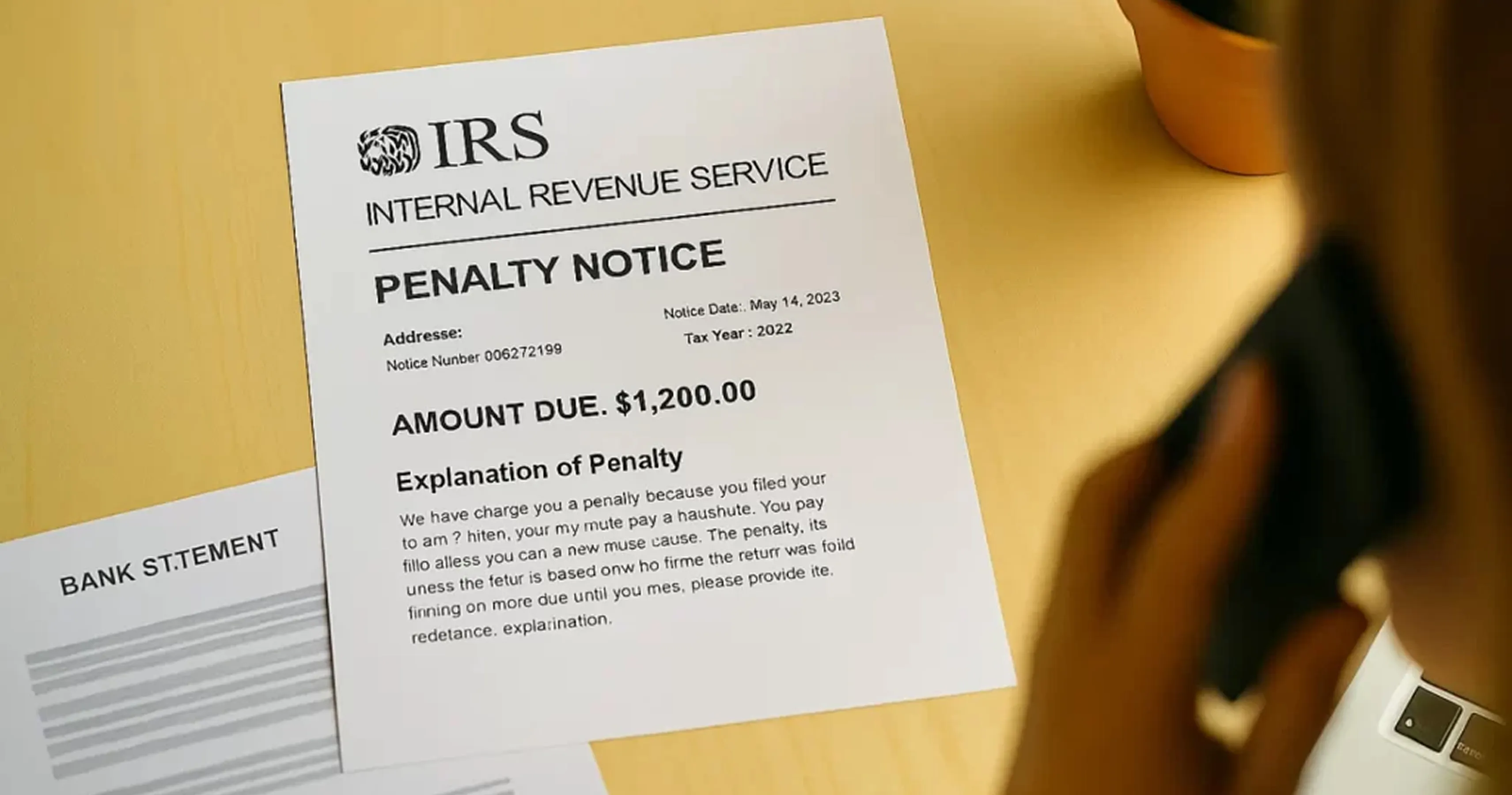
IRS penalties can build up fast, sometimes adding thousands of dollars to your balance before you even realize what happened.

Missing a quarterly tax payment feels stressful, but it happens to freelancers, small business owners

Crypto trading feels exciting until tax season arrives and you realize your wallets, swaps, and rewards don’t neatly fit into a standard tax form.

Owner-operators work long hours, run heavy miles, and manage expenses that change with every load

Running a small business often means juggling payroll, invoices, suppliers, and cash-flow surprises
IRS balances rarely stay the same. They grow month after month through penalties, interest, and compounding charges

Tax debt and liens can stall a mortgage, but they don't always kill the deal. Here's what lenders look for and how to clear the path.

Falling behind on taxes is extremely common for self-employed and 1099 workers. Income changes, missing 1099 forms
.png)
Many 1099 workers discover they owe the IRS only after a stressful notice arrives, because

Freelancers often discover that earning income independently brings freedom but also tax obligations that can

Crypto investors often realize too late that every trade, swap, or sale can create a taxable event especially in years
Many nurses unknowingly take contracts that create tax-home problems, trigger multi-state filing requirements

If you’ve received an IRS notice mentioning a tax lien or levy, it’s completely normal to feel overwhelmed

IRS debt grows quietly, and many taxpayers don’t realize they’re in trouble until garnishments, liens, or intimidating letters arrive.
Receiving an IRS Final Notice is one of the most serious moments a taxpayer can face.

Gig workers often discover that earning independent income brings unexpected IRS attention.
Once submitted, your information is reviewed by an IRS Relief Specialist, who will follow up to explain which IRS relief options may apply and answer any questions you have.
SafewayTax helps individuals and businesses address complex tax issues. By providing a few details, our team can quickly review your situation and help you move forward with confidence
© Copyright 2026 SafewayTax | All Rights Reserved.


Any estimates, projections, or statements on the Website regarding potential program performance are based on historical outcomes and client testimonials that reflect individual circumstances. Results depend on the specific facts of each client’s situation and may vary significantly. Your outcomes will depend on factors including, but not limited to, your financial condition and your ability to provide SafewayTax with complete, accurate, and timely information.
You are encouraged to carefully review all program materials before enrolling in any Service.
SafewayTax does not guarantee that your tax liability will be reduced by any specific amount or percentage, that your taxes will be resolved within a particular timeframe, or that you will qualify for any Internal Revenue Service (“IRS”) program or relief option. Interest and penalties may continue to accrue until your tax liability is fully satisfied with the IRS.
SafewayTax is an independent tax resolution firm and is not affiliated with or endorsed by the IRS. We do not assume your tax liabilities, make payments to creditors on your behalf, or provide legal, accounting, bankruptcy, or formal tax advice unless expressly stated in a separate written agreement. Services may not be available in all states, and fees may vary depending on jurisdiction and case complexity.
By providing your contact information, you expressly consent to receive communications from SafewayTax, including phone calls and SMS text messages, at the telephone number you provide. Such communications may include service-related updates, marketing messages, and other informational notices. Standard messaging and data rates may apply, and you are responsible for any charges imposed by your carrier.