

Free Consultation

IRS balances rarely stay the same. They grow month after month through penalties, interest, and compounding charges
Written by
Jared Thomas
Published in
08/2026

IRS balances rarely stay the same. They grow month after month through penalties, interest, and compounding charges that turn a small tax bill into a serious financial problem. Many taxpayers don’t realize how quickly this happens until the balance has doubled and by then, the IRS has already issued warnings, notices, or collection actions.
This guide shows you why IRS penalties snowball, how fast they can escalate, and the specific steps you can take right now to stop the balance from growing.
IRS penalties aren’t one-time charges; they continue stacking month after month until the full balance is paid. The IRS charges multiple penalties at the same time, and each one compounds with daily interest. That means even a small initial tax bill can grow rapidly, especially if returns are unfiled or unpaid.
For example, the failure-to-file penalty alone can reach up to 25% of your total tax, while the failure-to-pay penalty keeps adding another percentage every month. Combine these with daily interest on the entire amount, including the penalties themselves, and your debt can snowball far faster than many credit cards or loans.
The IRS adds multiple penalties simultaneously, and each one grows over time. Understanding these three main penalties helps you see why balances explode so quickly.
Failure-to-File Penalty
This is the most expensive IRS penalty. If you don’t file your return by the deadline, the IRS charges 5% of the unpaid tax per month, up to 25% total. Even if you owe only a small amount, this penalty alone can add hundreds or thousands to your balance.
Failure-to-Pay Penalty
This penalty applies when you file but don’t pay what you owe. The IRS charges 0.5% of the unpaid tax per month, also up to 25%. It may seem small, but it runs continuously while the debt remains unpaid and it’s added on top of all other penalties and interest.
Interest on Unpaid Tax and Penalties
Interest compounds daily, and it applies to both your original tax balance and the penalties added to it. The interest rate changes every quarter, often ranging from 7% to 10% annually, making the debt grow faster than many credit cards.

IRS penalties tend to explode when certain high-risk situations go unmanaged. These issues not only create a tax balance but also allow penalties and interest to pile up month after month.
Unfiled Tax Returns
When you don’t file a return, the IRS hits you with the highest penalty they charge: the failure-to-file penalty at 5% per month. Many people let one unfiled year turn into several, and by the time they’re ready to fix it, the penalties alone can exceed the original tax owed.
Underpaid Self-Employment Taxes
Freelancers, gig workers, and contractors often underestimate how much they owe because there is no employer withholding taxes. Missing quarterly estimated tax payments triggers both penalties and interest, sometimes four times a year, causing your balance to grow unusually fast.
Ignoring IRS Letters
Every notice the IRS sends has a deadline. When you ignore these letters, the IRS automatically adds additional penalties, increases interest, and eventually escalates enforcement. A balance that started small can double simply because deadlines passed without a response.
Incorrect Withholding or Estimated Taxes
Employees with too little withholding or self-employed taxpayers who miscalculate estimates often discover the problem at tax time when it is too late. This leads to underpayment penalties and immediate interest charges.

If your IRS balance is growing every month, the fastest way to stop the bleeding is to address the actions that trigger ongoing penalties. These strategies help you freeze additional charges, stabilize your account, and start reducing what you owe.
Filing All Missing Returns
Penalties don’t stop until every required tax return is filed. The IRS continues adding failure-to-file penalties, its most expensive penalty, until the return is submitted. Filing past-due returns immediately shuts off these charges and prevents the IRS from filing a Substitute for Return (SFR).
Entering a Payment Plan
Setting up an installment agreement stops failure-to-pay penalties from increasing at the higher rate and prevents the IRS from escalating enforcement. Once you’re in a structured payment plan, penalties drop to a reduced rate, giving you predictable, manageable monthly payments while halting aggressive collection actions.
Paying Something Immediately
Even if you can’t pay the full balance, making any payment reduces the principal, which also reduces the interest and penalties calculated against it. A small payment today can save you hundreds or thousands later because the IRS compounds interest daily.
Requesting Penalty Abatement
If you qualify for First-Time Penalty Abatement or have reasonable cause, such as medical emergencies, natural disasters, or financial hardship, the IRS may remove a substantial portion of your penalties. This doesn’t erase the tax itself, but it can dramatically shrink your balance and make repayment far more manageable.

The IRS offers several programs that can remove or reduce penalties, but each has specific requirements. Understanding which category you fall under can save you thousands and help you regain control of your tax balance.
First-Time Abatement (FTA)
First-Time Abatement is the easiest and most commonly approved form of penalty relief. You may qualify if you’ve filed all required tax returns, paid or arranged to pay any tax due, and haven’t had a penalty in the previous three years. FTA can wipe out failure-to-file, failure-to-pay, and failure-to-deposit penalties for one tax year.
Reasonable Cause Relief
Reasonable Cause relief is available when something outside your control prevents you from meeting your tax obligations. This may include serious illness, natural disasters, death in the family, prolonged unemployment, unexpected financial hardship, or reliance on incorrect professional advice.
Statutory Exceptions
In limited cases, the IRS must remove penalties because the law explicitly requires it. Examples include receiving incorrect written guidance from the IRS, issues caused by IRS processing delays, or penalties assessed in error.

Safeway Tax specializes in helping taxpayers take control of their IRS balance before it spirals out of reach. Our team identifies every opportunity to reduce penalties, prevent new ones from accruing, and negotiate relief based on your financial situation.
We start by pulling and analyzing your IRS transcripts to determine which penalties apply, how they were calculated, and whether you qualify for First-Time Abatement, Reasonable Cause relief, or statutory exceptions.
If interest is growing because of unpaid tax, we help you enter the fastest, most affordable repayment option so interest stops compounding aggressively. This may include installment agreements, hardship (CNC) status, or, when appropriate, an Offer in Compromise to settle your balance for less.

Gig workers often discover that earning independent income brings unexpected IRS attention.


Choosing the right IRS relief program can be the difference between finally getting ahead or staying trapped in tax debt for years.

Falling behind on taxes is extremely common for self-employed and 1099 workers. Income changes, missing 1099 forms

Few things hit harder than waking up to a bank account you can’t touch. Your debit card declines
IRS balances rarely stay the same. They grow month after month through penalties, interest, and compounding charges

Freelancers often discover that earning income independently brings freedom but also tax obligations that can

Owner-operators work long hours, run heavy miles, and manage expenses that change with every load

Discover how our resources and experts can help you keep more of your money.

Crypto investors often realize too late that every trade, swap, or sale can create a taxable event especially in years

Missing a quarterly tax payment feels stressful, but it happens to freelancers, small business owners

Tax debt and liens can stall a mortgage, but they don't always kill the deal. Here's what lenders look for and how to clear the path.

If you’ve received an IRS notice mentioning a tax lien or levy, it’s completely normal to feel overwhelmed
.png)
Many 1099 workers discover they owe the IRS only after a stressful notice arrives, because
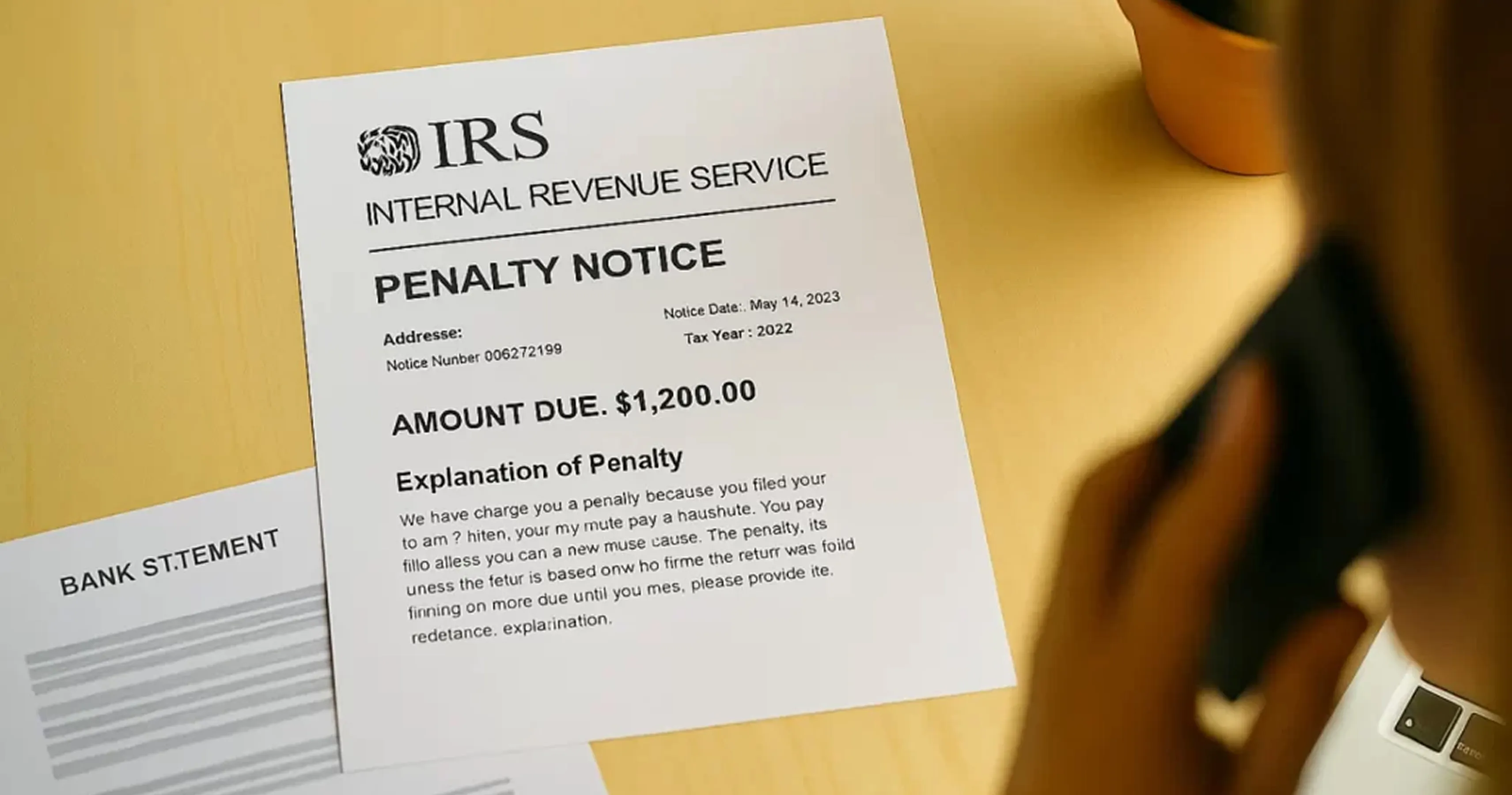
IRS penalties can build up fast, sometimes adding thousands of dollars to your balance before you even realize what happened.

Running a small business often means juggling payroll, invoices, suppliers, and cash-flow surprises

Many nurses unknowingly take contracts that create tax-home problems, trigger multi-state filing requirements

Crypto trading feels exciting until tax season arrives and you realize your wallets, swaps, and rewards don’t neatly fit into a standard tax form.
Receiving an IRS Final Notice is one of the most serious moments a taxpayer can face.

IRS debt grows quietly, and many taxpayers don’t realize they’re in trouble until garnishments, liens, or intimidating letters arrive.

Ignoring an IRS letter might feel easier than opening it, especially when you’re stressed, behind
Once submitted, your information is reviewed by an IRS Relief Specialist, who will follow up to explain which IRS relief options may apply and answer any questions you have.
SafewayTax helps individuals and businesses address complex tax issues. By providing a few details, our team can quickly review your situation and help you move forward with confidence
© Copyright 2026 SafewayTax | All Rights Reserved.


Any estimates, projections, or statements on the Website regarding potential program performance are based on historical outcomes and client testimonials that reflect individual circumstances. Results depend on the specific facts of each client’s situation and may vary significantly. Your outcomes will depend on factors including, but not limited to, your financial condition and your ability to provide SafewayTax with complete, accurate, and timely information.
You are encouraged to carefully review all program materials before enrolling in any Service.
SafewayTax does not guarantee that your tax liability will be reduced by any specific amount or percentage, that your taxes will be resolved within a particular timeframe, or that you will qualify for any Internal Revenue Service (“IRS”) program or relief option. Interest and penalties may continue to accrue until your tax liability is fully satisfied with the IRS.
SafewayTax is an independent tax resolution firm and is not affiliated with or endorsed by the IRS. We do not assume your tax liabilities, make payments to creditors on your behalf, or provide legal, accounting, bankruptcy, or formal tax advice unless expressly stated in a separate written agreement. Services may not be available in all states, and fees may vary depending on jurisdiction and case complexity.
By providing your contact information, you expressly consent to receive communications from SafewayTax, including phone calls and SMS text messages, at the telephone number you provide. Such communications may include service-related updates, marketing messages, and other informational notices. Standard messaging and data rates may apply, and you are responsible for any charges imposed by your carrier.