

Free Consultation

Choosing the right IRS relief program can be the difference between finally getting ahead or staying trapped in tax debt for years.
Written by
Jared Thomas
Published in
08/2026

Choosing the right IRS relief program can be the difference between finally getting ahead or staying trapped in tax debt for years. Many taxpayers rush into an installment agreement because it feels simple, while others chase an Offer in Compromise hoping to settle for pennies on the dollar. But each program works very differently, and only one of them is truly right for your financial situation.
Before you commit to a long-term payment plan or attempt an OIC that could get denied, it’s essential to understand how the IRS evaluates your income, expenses, assets, and overall ability to pay. This guide breaks everything down in simple words so you can confidently decide which program fits your situation and prevents the IRS from taking stronger collection actions.
An Installment Agreement (IA) is a formal payment plan that allows you to pay your IRS balance over time instead of all at once. It’s designed for taxpayers who can pay their tax debt but need additional time to do so without risking liens, levies, or aggressive collection actions. With an installment agreement, the IRS pauses forced collection as long as you make the required monthly payments and stay current with future tax filings.
Types of Installment Agreements
When an Installment Agreement Makes Sense
An installment agreement is a good fit when you can pay your tax debt over time without financial hardship, but not all at once. It’s practical if you have consistent income, expect future cash flow, or simply need breathing room to avoid IRS enforcement. This option also makes sense if you do not qualify for an Offer in Compromise because your income, assets, or equity show that you can repay the liability.
Pros and Cons of Installment Agreements
Pros
Cons

An Offer in Compromise (OIC) is an IRS program that lets taxpayers settle their tax debt for less than the full amount owed when paying in full would create financial hardship. The IRS accepts an OIC only when it determines that it cannot reasonably collect the full balance based on your income, assets, and allowable living expenses.
Who Qualifies for an OIC?
You may qualify for an OIC if you cannot afford to pay the full tax balance and your financial profile shows limited ability to repay. Strong candidates typically have low income, few assets, high allowable expenses, or long-term financial strain. You must also have filed all required tax returns, be current with estimated payments if you are self-employed, and not be in an open bankruptcy.
Pros and Cons of an OIC
Pros
Cons
Choosing between an Installment Agreement and an Offer in Compromise depends on your income, assets, cash flow, and long-term financial capacity. The right option becomes clearer once you compare what you can pay with what the IRS believes it can collect.
When an Installment Agreement Is the Better Choice
An Installment Agreement fits when you can afford monthly payments without falling behind on basic expenses. It works well if you have stable employment, consistent self-employment income, or assets that could be used to satisfy the balance. It is also the stronger choice when your income or equity exceeds OIC limits, making settlement unlikely.
When an OIC Could Save You Thousands
An OIC works best when you cannot pay your tax debt in full and your financial profile shows limited repayment ability. Strong candidates often have low disposable income, minimal assets, high medical or necessary living costs, or long-term financial hardship.
Red Flags That Make the IRS Deny an OIC
The IRS often denies OICs when your finances show you can pay more than what you offer. Common red flags include high disposable income, home equity, valuable vehicles, or cash reserves. Overstated expenses or unverified financial claims also lead to rejection.
How Financial Hardship Changes Eligibility
Documented financial hardship increases OIC eligibility when your income barely covers essential expenses or when medical, caregiving, or disability-related costs reduce your ability to pay. Hardship can also apply when liquidating assets would cause unfair economic harm.

Taxpayers often choose the wrong relief program because they misunderstand IRS requirements or overestimate how much the IRS is willing to forgive. Many assume an OIC is always the best option even when their income, assets, or equity make approval impossible. Others rush into installment agreements without evaluating whether a settlement would save them money.
Mistake 1: Assuming Everyone Qualifies for an OIC
The IRS approves only a small percentage of offers, and many rejections happen because the taxpayer can actually pay through income or assets. Applying without calculating reasonable collection potential often wastes time and money.
Mistake 2: Ignoring IRS Financial Standards
The IRS uses strict expense guidelines when evaluating eligibility. Claiming unapproved expenses or guessing numbers often leads to denial. Accurate, documented expenses are essential.
Mistake 3: Choosing an Installment Agreement When a Settlement Was Possible
Some taxpayers enter long payment plans without assessing whether their hardship might qualify them for a significant reduction through an OIC. This can cost thousands in unnecessary payments.
Mistake 4: Not Filing All Missing Returns First
Both Installment Agreements and OICs require full filing compliance. Submitting an application before catching up on returns usually leads to rejection.
Mistake 5: Ignoring Asset Equity
The IRS evaluates home equity, vehicles, and savings when determining your ability to pay. Overlooking these factors leads taxpayers to apply for programs they do not qualify for.
Mistake 6: Not Considering Future Financial Stability
A plan that works today may fail later if your income is inconsistent. Choosing a payment amount without reviewing long-term stability can cause defaults and restart the collection cycle.
Safeway Tax evaluates your full financial picture to determine whether an Installment Agreement or an Offer in Compromise gives you the greatest long-term benefit. Licensed tax professionals prepare accurate financial statements, reconstruct missing records, and calculate your Reasonable Collection Potential so you know which option the IRS is more likely to approve.
The team also negotiates directly with the IRS, works to secure the lowest possible monthly payment or settlement amount, and guides you through every form and documentation requirement.


If you’ve received an IRS notice mentioning a tax lien or levy, it’s completely normal to feel overwhelmed


Running a small business often means juggling payroll, invoices, suppliers, and cash-flow surprises

Freelancers often discover that earning income independently brings freedom but also tax obligations that can

Owner-operators work long hours, run heavy miles, and manage expenses that change with every load
.png)
Many 1099 workers discover they owe the IRS only after a stressful notice arrives, because

Many nurses unknowingly take contracts that create tax-home problems, trigger multi-state filing requirements
Choosing the right IRS relief program can be the difference between finally getting ahead or staying trapped in tax debt for years.
IRS balances rarely stay the same. They grow month after month through penalties, interest, and compounding charges

Falling behind on taxes is extremely common for self-employed and 1099 workers. Income changes, missing 1099 forms

IRS debt grows quietly, and many taxpayers don’t realize they’re in trouble until garnishments, liens, or intimidating letters arrive.

Crypto investors often realize too late that every trade, swap, or sale can create a taxable event especially in years

Ignoring an IRS letter might feel easier than opening it, especially when you’re stressed, behind
Receiving an IRS Final Notice is one of the most serious moments a taxpayer can face.

Discover how our resources and experts can help you keep more of your money.

Gig workers often discover that earning independent income brings unexpected IRS attention.

Tax debt and liens can stall a mortgage, but they don't always kill the deal. Here's what lenders look for and how to clear the path.

Missing a quarterly tax payment feels stressful, but it happens to freelancers, small business owners
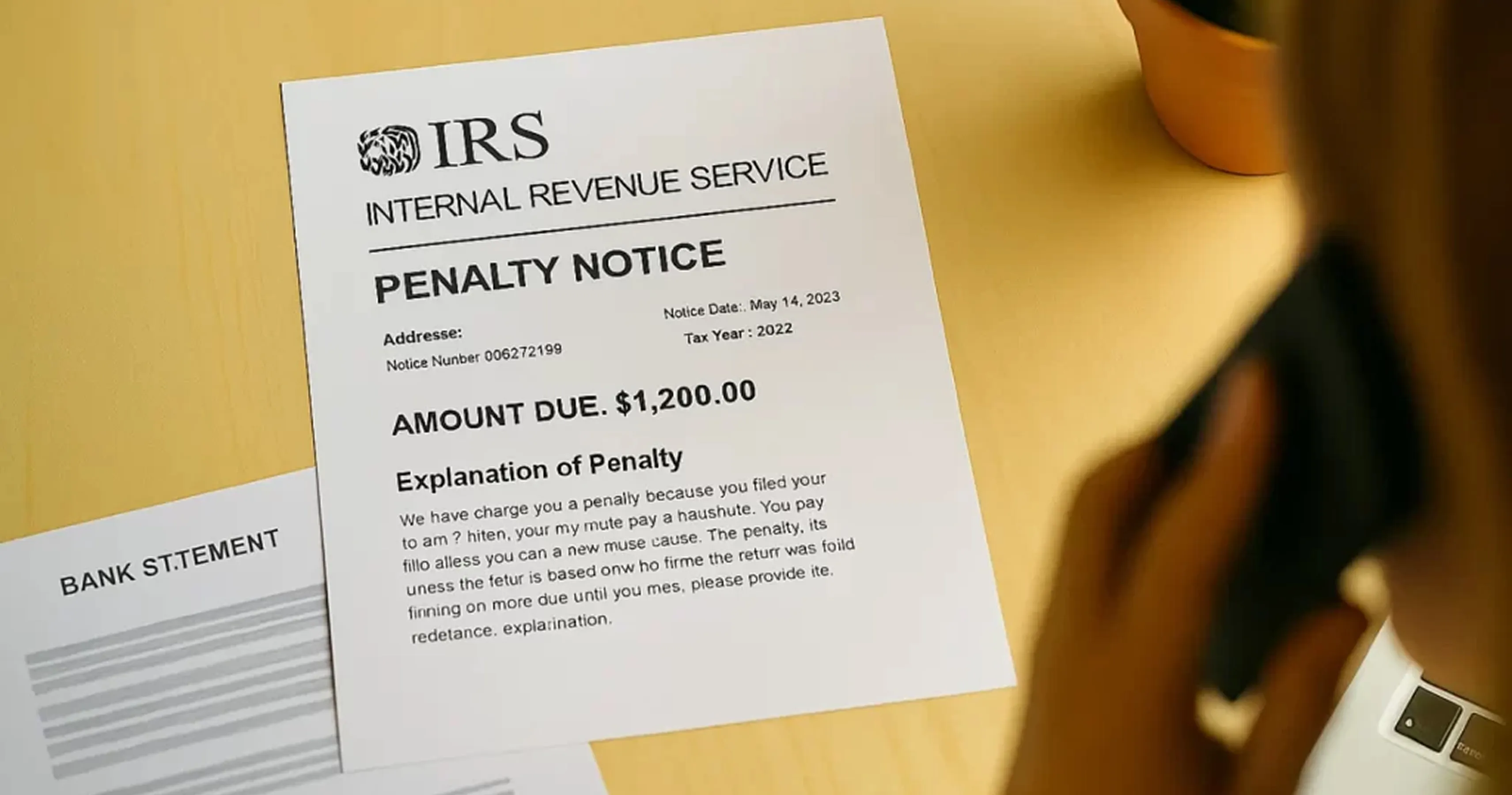
IRS penalties can build up fast, sometimes adding thousands of dollars to your balance before you even realize what happened.

Crypto trading feels exciting until tax season arrives and you realize your wallets, swaps, and rewards don’t neatly fit into a standard tax form.

Few things hit harder than waking up to a bank account you can’t touch. Your debit card declines
Once submitted, your information is reviewed by an IRS Relief Specialist, who will follow up to explain which IRS relief options may apply and answer any questions you have.
SafewayTax helps individuals and businesses address complex tax issues. By providing a few details, our team can quickly review your situation and help you move forward with confidence
© Copyright 2026 SafewayTax | All Rights Reserved.


Any estimates, projections, or statements on the Website regarding potential program performance are based on historical outcomes and client testimonials that reflect individual circumstances. Results depend on the specific facts of each client’s situation and may vary significantly. Your outcomes will depend on factors including, but not limited to, your financial condition and your ability to provide SafewayTax with complete, accurate, and timely information.
You are encouraged to carefully review all program materials before enrolling in any Service.
SafewayTax does not guarantee that your tax liability will be reduced by any specific amount or percentage, that your taxes will be resolved within a particular timeframe, or that you will qualify for any Internal Revenue Service (“IRS”) program or relief option. Interest and penalties may continue to accrue until your tax liability is fully satisfied with the IRS.
SafewayTax is an independent tax resolution firm and is not affiliated with or endorsed by the IRS. We do not assume your tax liabilities, make payments to creditors on your behalf, or provide legal, accounting, bankruptcy, or formal tax advice unless expressly stated in a separate written agreement. Services may not be available in all states, and fees may vary depending on jurisdiction and case complexity.
By providing your contact information, you expressly consent to receive communications from SafewayTax, including phone calls and SMS text messages, at the telephone number you provide. Such communications may include service-related updates, marketing messages, and other informational notices. Standard messaging and data rates may apply, and you are responsible for any charges imposed by your carrier.